
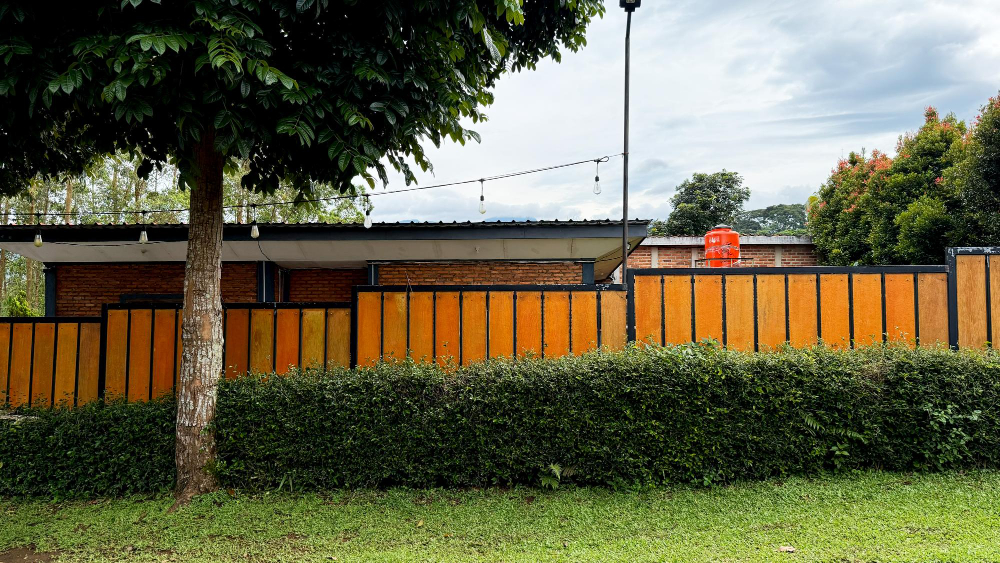
A sound barrier fence works by using mass and density to absorb and block sound waves rather than letting them pass through or vibrate around the structure, which is why Petrified Forest Boise builds them from the same proprietary concrete used across its other fence lines. Effective noise reduction, up to 95% when properly designed, depends on height, placement, and proximity to the noise source working together, not on the material alone. Lighter materials like wood or vinyl can reduce some noise simply by being a physical obstacle, but they don't maintain that acoustic performance over time the way a solid, continuous concrete surface does. Understanding the actual mechanics behind sound barrier performance helps explain why two seemingly similar fences can deliver very different real-world results for two different properties. Here's the science behind how these barriers actually work.
Sound as a Physical Phenomenon Worth Understanding
Sound travels as a pressure wave through air, and reducing that wave's intensity requires either absorbing its energy or reflecting it away from the area you're trying to protect. A barrier that's too light or too thin lets much of that energy pass straight through, which is why simply putting something solid-looking between a noise source and a property doesn't guarantee meaningful noise reduction.
Mass and density are the two material properties that determine how effectively a barrier interrupts that sound wave. Concrete's density is what allows it to absorb and block sound significantly better than lighter materials of the same thickness.
Why Mass and Density Matter More Than Height Alone
It's a common assumption that a taller fence automatically blocks more noise, but height only helps if the barrier also has enough mass to actually absorb the sound energy hitting it. A tall, thin barrier can still let significant noise through if it doesn't have the density to interrupt the sound wave effectively.
Petrified Forest Boise's concrete sound barriers are built from the same proprietary blend used across the company's other fence lines, engineered specifically for the mass and continuity that acoustic performance depends on, which is different from simply building a taller version of a standard privacy fence.
Why Placement and Proximity Change the Result
A sound barrier's effectiveness depends heavily on where it sits relative to both the noise source and the area being protected. A barrier positioned closer to the noise source generally interrupts more of the sound energy before it spreads, while one positioned too far from either the source or the protected area loses some of that effectiveness regardless of how well it's built.
This is why Petrified Forest Boise evaluates a property's elevation changes, lot setbacks, and distance from the noise source before finalizing a design, rather than defaulting to a standard height and placement. Two neighboring properties can end up with different barrier designs based on these same variables.
Why a Continuous Surface Matters as Much as the Material
Sound finds its way through any gap in a barrier, which means a fence with small openings or seams performs significantly worse than its material specifications would suggest. Concrete's ability to be cast as a continuous, gap-free surface is a meaningful acoustic advantage over materials that are assembled from individual boards or panels with natural seams between them.
This is also why a wood fence's acoustic performance degrades over time even if it started out reducing some noise. As boards shrink, warp, or separate with age, those small gaps widen, and each one becomes a new path for sound to pass through.
The Structural Engineering Behind a Taller Acoustic Barrier
A sound barrier is often taller than a standard privacy fence, since height is one of the variables that affects acoustic performance. That added height also means the structure catches more wind load, which is why Petrified Forest Boise's sound barriers are rated to withstand wind speeds up to 115 miles per hour, the same standard applied across the company's other concrete fence products.
Balancing acoustic design with structural wind performance is part of why a sound barrier project involves more engineering consideration than a standard fence, since the height that helps block noise also needs to remain stable through Idaho's spring wind events.
See What's Achievable for Your Specific Property
Get a free on-site assessment that accounts for your property's elevation, setback, and noise source.
Request Your Free On-Site EstimateReal-World Factors That Affect Noise Reduction Results
Beyond the barrier's design, real-world factors like traffic volume, vehicle types, roadway grade, and even weather conditions can affect how much noise reduction a property actually experiences day to day. A well-designed barrier still delivers a significant, measurable improvement, but it's worth understanding that the 95% figure represents an achievable ceiling under well-designed conditions rather than a fixed guarantee independent of these outside variables.
Irrigation systems, prevailing wind direction, and existing landscaping can also factor into how sound travels across a specific property, which is part of why Petrified Forest Boise evaluates these site-specific details during the design process rather than applying a generic specification.
How This Differs From a Standard Privacy Fence Design
A standard privacy fence and a dedicated sound barrier both use solid materials, but they're solving for different priorities. A privacy fence is designed primarily to block sightlines, while a sound barrier is engineered around the acoustic variables discussed here, height, mass, placement, and continuity, specifically to hit a noise reduction target.
This distinction matters when choosing between the two. A standard concrete fence does offer some noise reduction as a side benefit of its solid, dense construction, but a property where noise is the primary concern benefits from the more deliberate acoustic engineering that goes into a dedicated sound barrier design.
Getting the Science Right for Your Specific Property
Understanding the mechanics behind sound barrier performance is useful, but applying that understanding to your specific property requires an actual site assessment. Petrified Forest Boise evaluates your property's elevation, setback, and noise source directly before finalizing a design, which is the only reliable way to translate this science into a barrier that performs the way you need it to.
A free on-site estimate is the starting point for that process, giving you both an accurate design and a real understanding of what result to expect once the barrier is installed. Bringing specific concerns to that visit, a particular outdoor space you use often, a specific time of day when noise is worst, helps the design account for the details that matter most to your daily experience of the property.
Combining Acoustic Performance With Other Property Goals
Some properties need more than just noise reduction from a single boundary. A sound barrier along a road-facing edge can transition into a standard concrete fence or a hybrid fence for the rest of the perimeter, where privacy or appearance matters more than acoustic engineering specifically. This kind of mixed approach lets you apply the more involved acoustic design work only where the noise problem actually exists.
For agricultural properties near a road, a sound barrier section can also coexist with rail fencing across the rest of a working perimeter, addressing the noise concern at the property's most exposed edge without changing the open, visibility-focused design used for livestock containment elsewhere.
Why a Company's Track Record Matters for Acoustic Projects Specifically
Acoustic engineering is a more specialized part of fence design than a standard privacy or boundary fence, which makes a company's actual experience with sound barrier projects worth confirming before committing. Petrified Forest Boise has applied this same design process across sound barrier projects throughout the Treasure Valley, using the science described here rather than a generic tall-fence approach.
Asking any company you're considering how they actually account for height, placement, and continuity in their design process is a reasonable way to gauge whether they understand the acoustic engineering involved, or whether they're simply proposing a taller version of a standard fence.
Dealing With Highway or Traffic Noise?
Talk through the design variables that actually affect your specific noise reduction result.
Call or Text (208) 738-9154Questions Worth Asking About Any Sound Barrier Design
Before committing to a sound barrier project, ask specifically what noise reduction percentage the proposed design is expected to achieve and what site-specific factors, elevation, setback, prevailing wind, informed that design. A company that can answer these questions with specifics is applying the actual science rather than guessing at a standard height and calling it a solution.
It's also worth asking how the design accounts for long-term performance rather than just day-one results, since a barrier that degrades acoustically over time due to material choice or construction quality isn't delivering the value its initial specifications might suggest. A vague answer to any of these questions is worth treating as a signal to look more closely before committing to that company's design.
Turning the Science Into a Result You Can Actually Measure
Understanding how sound barriers work doesn't require an engineering background, but it does help you ask better questions and set realistic expectations for what a properly designed barrier can achieve. The core principles, mass, density, placement, and continuous surface, are what separate genuine acoustic performance from a tall fence that happens to block some noise incidentally.
Applying that understanding to your specific property is the next step, and it starts with a real site assessment rather than a generic quote based on fence length alone.
Why Long-Term Acoustic Performance Is the Real Measure of Value
A sound barrier's value isn't just what it delivers on installation day, it's whether that same 95% noise reduction figure holds up five or ten years later. Concrete's continuous, mass-loaded surface doesn't develop the gaps that gradually erode a wood or vinyl barrier's acoustic performance, which is why the material choice matters just as much as the initial design.
This is worth keeping in mind when comparing a lower-cost barrier option against a properly engineered concrete system, since a cheaper material that loses its acoustic effectiveness within a few years isn't actually the better long-term value, even if the upfront number looks more attractive.
A Simple Summary of What Actually Determines Performance
If there's one takeaway from the science behind sound barrier fences, it's that performance comes from a combination of factors working together rather than any single specification. Mass and density determine how much sound energy a barrier can absorb, height and placement determine how effectively it interrupts sound before it spreads, and a continuous, gap-free surface determines whether that performance holds up over years of use rather than degrading as the material ages.
Understanding all four of these factors together, rather than focusing on just one, like height, is what separates an informed decision from a guess when you're evaluating sound barrier options for your own property, and it's worth bringing this understanding directly into any conversation with a potential installer.
Frequently Asked Questions
It uses mass and density to absorb and interrupt sound waves, which is why concrete performs significantly better than lighter materials of similar thickness at reducing noise transmission across a property line and keeping it that way for years.
Not automatically. Height only helps if the barrier also has enough mass and is positioned correctly relative to the noise source, which is why design matters as much as height alone when evaluating a barrier's real performance.
As wood boards shrink, warp, or separate with age, small gaps develop that let sound pass through, which gradually reduces the fence's acoustic performance compared to a continuous concrete surface.
Yes. Petrified Forest Boise's sound barriers are rated to withstand wind speeds up to 115 miles per hour, since the added height needed for acoustic performance also increases wind load.
Yes. Sound barrier projects are designed around the property's elevation changes, lot setbacks, and proximity to the noise source rather than a standard, one-size-fits-all layout.


