
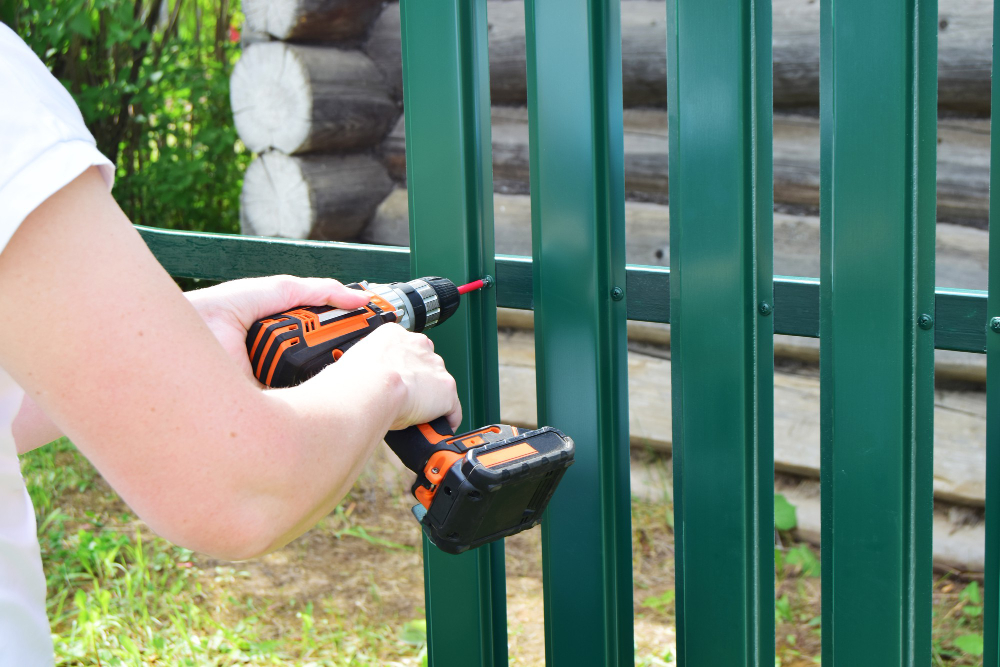
Gate installation for a Boise property involves more decisions than most homeowners expect: gate width and swing direction, hardware durability, and how the gate integrates with the rest of the fence line all affect how well it performs over time. Petrified Forest Boise installs gates as part of its full fence services, matching gate materials and hardware to whatever fence type, concrete, hybrid, or rail, the gate is paired with, so the finished product looks and performs as one cohesive system across the entire property. Wider gates for vehicle or equipment access require different hardware and support than a standard walk-through gate, which is worth planning for early rather than as an afterthought. Getting gate placement right during the initial design also avoids the cost and disruption of relocating a gate after the fence line is already set. Here's what to think through before installing a new gate on your property, whether it's a small residential yard or a larger agricultural site.
Matching Gate Width to Actual Purpose
The most basic gate decision is width, and it should be driven by actual use rather than a generic default. A standard walk-through gate works fine for pedestrian access, but a gate that also needs to accommodate a mower, ATV, or occasional vehicle access requires significantly more width and different hardware to support that additional weight and swing clearance.
It's worth thinking through every way you'll actually use a given gate opening before finalizing its width, since a too-narrow gate creates ongoing frustration that's expensive to fix after installation, while a too-wide gate for the actual need adds unnecessary cost and hardware complexity that doesn't serve any real purpose for the property.
Swing Direction and Clearance Considerations
Gate swing direction affects both function and safety, particularly for gates near a driveway, walkway, or any area with limited clearance. A gate that swings into a walking path or blocks a vehicle's turning radius creates a daily inconvenience that's easy to avoid by thinking through the swing direction during initial planning.
Sloped terrain adds another layer of consideration, since a gate needs enough ground clearance to swing freely without dragging, while also not leaving so much gap at the bottom that it compromises security or containment on a property with pets or livestock, a balance that requires careful measurement during the initial site visit.
Why Gate Hardware Durability Matters as Much as the Gate Itself
A gate gets more daily wear than any other part of a fence system, since it's the one section actually moving on hinges and latches every time it's used. Lower-quality hardware tends to be the first point of failure on an otherwise solid fence, leading to sagging, misalignment, or a latch that no longer catches properly.
Petrified Forest Boise selects gate hardware to match the durability standard of the surrounding fence, whether that's a concrete fence, a hybrid fence, or rail fencing, so the gate doesn't become the weak point in an otherwise well-built system that's designed to last for decades.
Integrating a Gate With Your Specific Fence Type
A gate needs to visually and structurally integrate with whichever fence type it's paired with. For a concrete or hybrid fence, that means matching the gate's color and finish to the surrounding panels or posts, while for a rail fence, it means matching the same rail spacing and rustic profile the rest of the fence line uses.
Because Petrified Forest Boise manufactures its concrete, hybrid, and rail fencing in-house, gates for these systems are designed to match rather than being sourced separately and adapted to fit, which avoids the mismatched look that can happen when a gate comes from a different supplier than the fence itself.
Automatic vs. Manual Gates for Residential Properties
Most residential gates are manual, which keeps the system simpler and reduces the number of components that can eventually need repair or replacement. Automatic gate systems add convenience, particularly for a primary driveway entrance, but they also add electrical and mechanical components that require their own maintenance considerations over time.
For most Boise homeowners, a well-built manual gate with quality hardware covers the vast majority of practical needs. Automatic systems make more sense for specific situations, like a longer driveway or a security-focused property, where the added convenience justifies the additional complexity.
Plan Your Gate Alongside Your Fence Design
Get a free on-site estimate that accounts for gate width, swing direction, and hardware from the very start of the design process.
Request Your Free On-Site EstimateWhy Gate Planning Belongs in Your Initial Estimate
Gate placement, width, and swing direction are all easier and less expensive to plan correctly during the initial fence estimate than to revise after installation. Petrified Forest Boise's on-site estimate process specifically covers gate needs alongside the rest of the fence design, so the finished gate integrates properly rather than being an afterthought added once the main fence line is already set.
Bring a clear sense of how you'll actually use each gate opening, foot traffic only, occasional equipment access, or regular vehicle use, to that conversation so the design reflects real use rather than a generic assumption. It's also worth mentioning any future plans, like adding a shed or expanding a driveway, that could affect how a gate needs to function down the road.
What Actually Affects Gate Installation Cost
Gate cost is driven by width, hardware complexity, and how closely it needs to match a specific fence material and finish. A wider gate built for vehicle access costs more than a standard walk-through gate due to the additional material and hardware required to support it properly.
As with any part of a fence project, the most accurate way to understand gate cost for your specific property is a free on-site estimate, since the right hardware and width depend on how you'll actually use the space rather than a generic average.
Getting a Gate That Actually Works for Daily Use
A well-planned gate should disappear into daily life, opening and closing smoothly without becoming a recurring frustration. Getting width, swing direction, and hardware right from the start is what makes that possible, rather than discovering a design flaw after the gate is already installed and in regular use.
Whether you're adding a gate to a new fence installation or replacing an existing one, treating it as a deliberate design decision rather than an afterthought tends to produce a result you'll actually be happy with for years, long after the initial installation details have faded from memory.
Gate Considerations for Sound Barrier and Privacy Projects
A gate is often the weakest point in an otherwise solid barrier, whether that's a privacy-focused concrete fence or a dedicated sound barrier, since any gap around the gate frame reduces the same privacy or acoustic performance the rest of the fence is designed to deliver. Getting gate seals and frame fit right matters more on these projects than on a standard boundary fence.
If noise reduction or complete privacy is the primary goal for a specific section of fence, it's worth minimizing the number of gates in that section and being especially deliberate about gate placement and sealing where one is genuinely needed.
Gate Planning for Agricultural and Livestock Properties
Agricultural properties using rail fencing typically need multiple gate types across a single perimeter: wide gates for equipment and trailer access, and standard gates for daily livestock movement between pastures. Planning these different gate types together during the initial estimate, rather than treating each as a separate decision, produces a more cohesive and functional layout across the whole property.
Livestock-specific gate hardware also matters here, since a latch that an animal can accidentally open compromises the entire containment system regardless of how well the surrounding fence performs.
Need a Wider Gate for Equipment or Vehicle Access?
Talk through hardware and support requirements directly with the experienced team.
Call or Text (208) 738-9154What Gate Maintenance Actually Looks Like Over Time
A well-installed gate with quality hardware needs relatively little attention, but it's worth periodically checking hinge alignment and latch function, especially after seasonal temperature swings that can cause minor shifts in a gate's fit. Catching a minor alignment issue early is far simpler than dealing with a gate that's fully sagged or a latch that's stopped catching altogether.
Because gate hardware experiences more mechanical stress than any static section of fence, it's reasonable to expect it might need attention slightly sooner than the rest of a lifetime-warrantied concrete or hybrid fence, even though the gate frame and posts themselves should hold up to the same durability standard used across the entire installation.
A Quick Checklist Before Finalizing Your Gate Design
Before finalizing a gate design, confirm the actual width needed for every intended use, the swing direction relative to walkways or driveways, whether the terrain requires any special clearance considerations, and that the hardware matches the durability standard of the surrounding fence. Bringing this checklist to your on-site estimate helps make sure nothing gets overlooked in the broader fence design conversation.
A gate that's planned this thoroughly upfront tends to disappear into daily use exactly the way it should, functioning smoothly for years without becoming the one part of an otherwise well-built fence that needs constant attention.
Matching Gate Color and Finish to the Rest of Your Property
Beyond function, a gate's color and finish contribute meaningfully to a property's overall curb appeal, particularly since gates are often positioned at the most visible point along a fence line, the entrance a visitor or passerby actually sees up close. Custom color options on concrete and hybrid fencing extend to matching gates, so the entrance doesn't stand out as a mismatched afterthought.
This is worth discussing directly during your estimate, especially if you're adding a gate to an existing fence rather than installing both at the same time, since matching an existing color or finish accurately depends on knowing the original material specifications.
Single Gates vs. Double Gates for Wider Openings
For openings that need significant width, larger equipment access or a two-car driveway, a double gate, two panels meeting in the middle, is often a more practical solution than a single very wide panel. Double gates distribute weight more evenly across their hinges and tend to hold alignment better over time than an oversized single panel would.
This is a detail worth discussing directly during your estimate if you're planning a wider opening, since the right hardware and support structure differs meaningfully between a single wide gate and a double gate configuration covering the same total width, and getting this decision right upfront avoids problems down the road.
Frequently Asked Questions
It really depends on the specific vehicle or equipment that needs to pass through, which is why it's worth discussing your actual use case directly during your estimate rather than assuming a standard width will work for every situation.
Yes, quite a bit. A gate experiences more daily wear than any other part of a fence, and lower-quality hardware is typically the first point of failure, leading to sagging or a latch that no longer catches properly.
Yes. Because Petrified Forest Boise manufactures these fence types in-house, gates are designed to match the surrounding fence's color, finish, and structural style rather than being a separately sourced, mismatched addition.
Most residential properties do well with a manual gate and quality hardware. Automatic systems make more sense for longer driveways or security-focused properties where the added convenience justifies the extra mechanical complexity.
During your initial on-site estimate. Planning gate width, swing direction, and placement upfront avoids the cost and disruption of relocating a gate after the rest of the fence line is already installed.


